 chemical


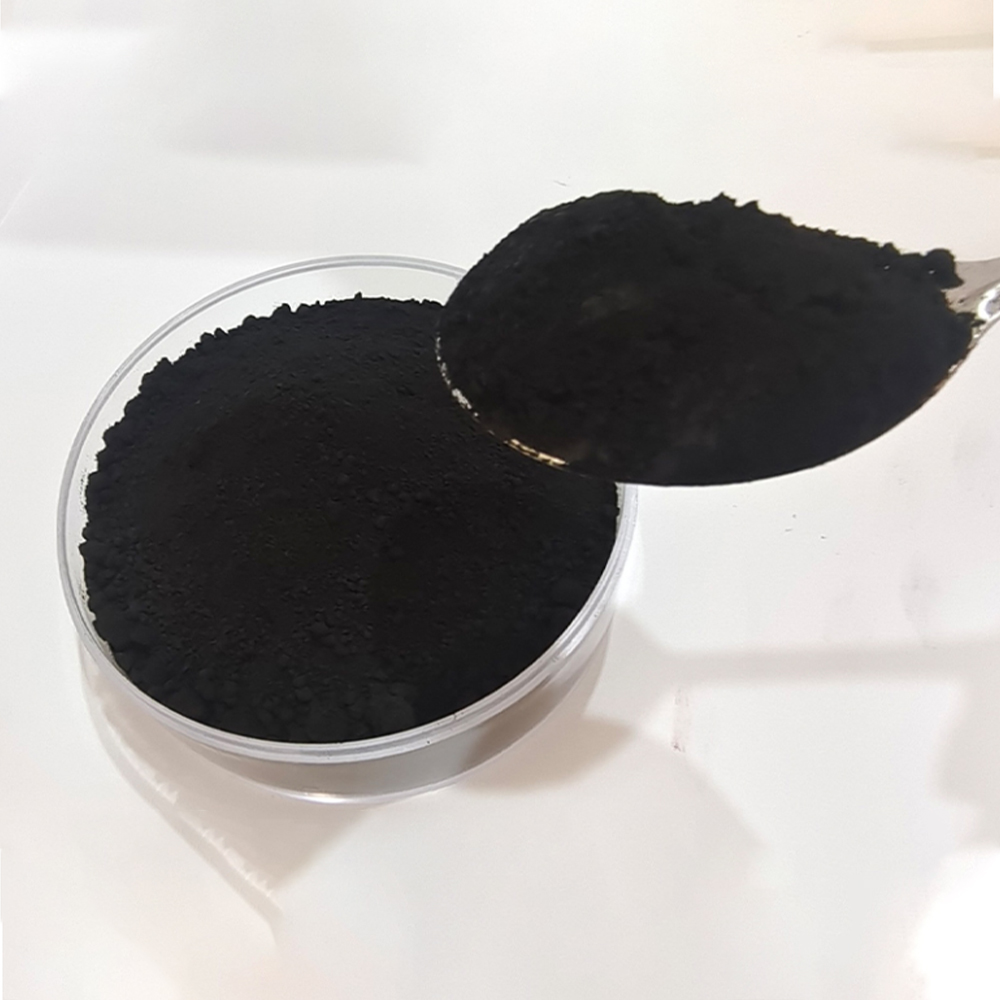
Specialty Carbon Black-HL332
- ColorBlack
- CAS1333-86-4
- Density~1.7 g/mL at 25 °C (lit.)
- Place of OriginChina
- Medical standardsEU, USA, CN
Carbon black is a fine black powder composed primarily of elemental carbon. It is produced through the incomplete combustion or thermal decomposition of hydrocarbon fuels. As one of the most important industrial raw materials, carbon black is widely used in plastics, paints, inks, coatings, and other pigment-based products. Its deep black color, UV resistance, and electrical conductivity make it an essential additive in modern manufacturing.
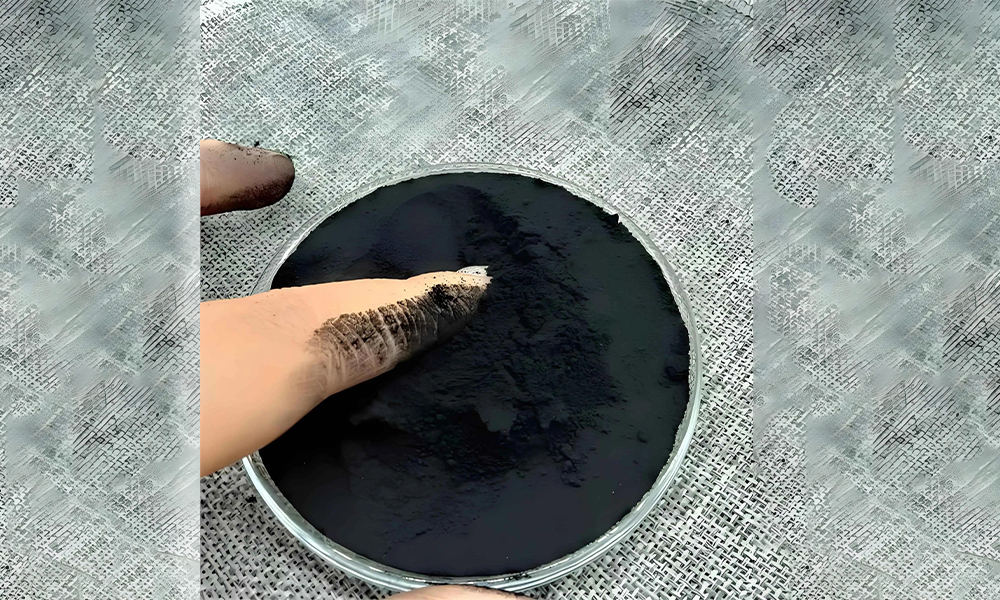
Overview of the Carbon Black Manufacturing Process
The carbon black manufacturing process involves controlled combustion of hydrocarbons such as natural gas, petroleum oils, or coal tar. During this process, carbon particles form as soot, which is then collected, cooled, and processed into various grades of carbon black.
There are several production methods, including the furnace black process, channel black process, acetylene black process, and lamp black process. Among them, the furnace black process is the most widely used industrial method due to its efficiency, consistency, and scalability.
1. Raw Materials for Carbon Black Production
The main raw materials used in carbon black production include:
- Heavy Aromatic Oils – Byproducts from petroleum refining, rich in polycyclic aromatic hydrocarbons.
- Natural Gas or Acetylene – Used as a carbon source in high-purity carbon black production.
- Air and Steam – Provide the oxygen and control the combustion temperature.
The selection of feedstock directly affects the quality, surface area, and structure of the carbon black produced.
2. Furnace Black Process — The Primary Industrial Method
The furnace black process is the dominant method used globally for large-scale production. The process involves the following key steps:
Step 1: Combustion
Hydrocarbon oil is injected into a high-temperature combustion chamber with a controlled amount of air. Partial combustion takes place, creating an environment where carbon particles begin to form.
Step 2: Formation of Carbon Particles
The incomplete burning of hydrocarbons generates tiny carbon nuclei that agglomerate into larger clusters. By adjusting temperature, air-fuel ratio, and reaction time, manufacturers can control the particle size and structure of the carbon black.
Step 3: Quenching
To stop the reaction at the desired particle size, cold air or water is injected suddenly to “quench” the hot gas stream. This rapid cooling fixes the particle structure.
Step 4: Collection
The gas containing carbon black particles passes through cyclones, bag filters, and electrostatic precipitators. The fine powder is separated from exhaust gases and collected.
Step 5: Pelletizing and Drying
Collected carbon black is mixed with water and formed into small pellets to reduce dust and improve handling. The pellets are then dried and packaged for industrial use.
3. Other Manufacturing Methods
Although the furnace black process dominates modern production, other methods are still used for special applications:
- Channel Black Process: Natural gas burns against iron channels, producing ultra-fine particles used in inks and coatings.
- Acetylene Black Process: Acetylene gas decomposes thermally to produce high-purity carbon black with excellent electrical conductivity—ideal for batteries and conductive polymers.
- Lamp Black Process: Involves burning liquid fuels with limited air supply; used for traditional pigments and artistic applications.
Each method results in different particle structures, surface areas, and tinting strengths, allowing producers to offer customized grades for diverse industries.
4. Key Properties of Carbon Black
| Property | Description |
|---|---|
| Particle Size | Typically 10–500 nm; smaller particles provide higher tint strength. |
| Structure (Agglomeration) | Affects reinforcement and conductivity; measured by DBP absorption. |
| Surface Area (BET) | Determines blackness and dispersion quality. |
| Volatile Content | Influences surface chemistry and bonding with polymers. |
| Conductivity | Critical for electronics, cables, and antistatic materials. |
By adjusting production parameters, manufacturers can tailor carbon black to meet the requirements of different end-use applications.
5. Applications of Carbon Black in Pigments and Plastics
Carbon black is not only a colorant but also a functional additive with multiple benefits. Major applications include:
- Plastic Industry: Used in polyethylene (PE), polypropylene (PP), PVC, and ABS for color, UV protection, and static resistance.
- Coatings and Paints: Provides high jetness, opacity, and weather resistance.
- Printing Inks: Ensures deep color, gloss, and dispersion stability.
- Conductive Materials: Essential in conductive polymers, cable sheathing, and battery electrodes.
- Masterbatch Production: Enables consistent color distribution in polymer compounding.
6. Quality Control and Testing
Modern carbon black manufacturing facilities employ advanced analytical instruments to maintain strict quality standards. Testing includes:
- Particle size analysis (electron microscopy)
- Surface area measurement (BET method)
- Tint strength and colorimetric analysis
- Oil absorption (DBP value)
- Volatile content and moisture determination
These ensure the final product meets global standards such as ASTM D1765 for carbon black classification.
7. Environmental and Sustainable Production
Environmental responsibility is a critical part of today’s carbon black manufacturing process.
Manufacturers are implementing several sustainability practices:
- Energy Recovery: Utilizing waste heat to generate steam or electricity.
- Emission Control: Advanced filtration systems minimize particulate and CO₂ emissions.
- Feedstock Optimization: Using cleaner hydrocarbon sources to reduce environmental impact.
- Recycling: Recovery and reuse of process gases and water to improve resource efficiency.
Green manufacturing not only protects the environment but also enhances production economics and brand reputation.
8. Carbon Black Packaging and Storage
After production, carbon black is typically packaged in 10–25 kg bags, jumbo bags, or bulk containers.
To preserve quality:
- Store in a cool, dry, and well-ventilated area.
- Avoid exposure to moisture or direct sunlight.
- Prevent contamination with other powders or volatile chemicals.
Proper handling ensures stable performance and long shelf life.
RECOMMENDED PRODUCTS
- View details
Cow dung biochar
Our Coal Based Activated Carbon offers a robust and cost-effective solution for a wide range of purification needs. Excellent for municipal water treatment, industrial air cleaning, and gold recovery. Available in granular and powder forms with cu…
- View details
Coal based activated carbon
Our Coal Based Activated Carbon offers a robust and cost-effective solution for a wide range of purification needs. Excellent for municipal water treatment, industrial air cleaning, and gold recovery. Available in granular and powder forms with cu…
- View details
Rice husk biochar
Our Coal Based Activated Carbon offers a robust and cost-effective solution for a wide range of purification needs. Excellent for municipal water treatment, industrial air cleaning, and gold recovery. Available in granular and powder forms with cu…
- View details
Peanut shell biochar
Our Coal Based Activated Carbon offers a robust and cost-effective solution for a wide range of purification needs. Excellent for municipal water treatment, industrial air cleaning, and gold recovery. Available in granular and powder forms with cu…
loading…
已经是到最后一篇内容了!