 chemical


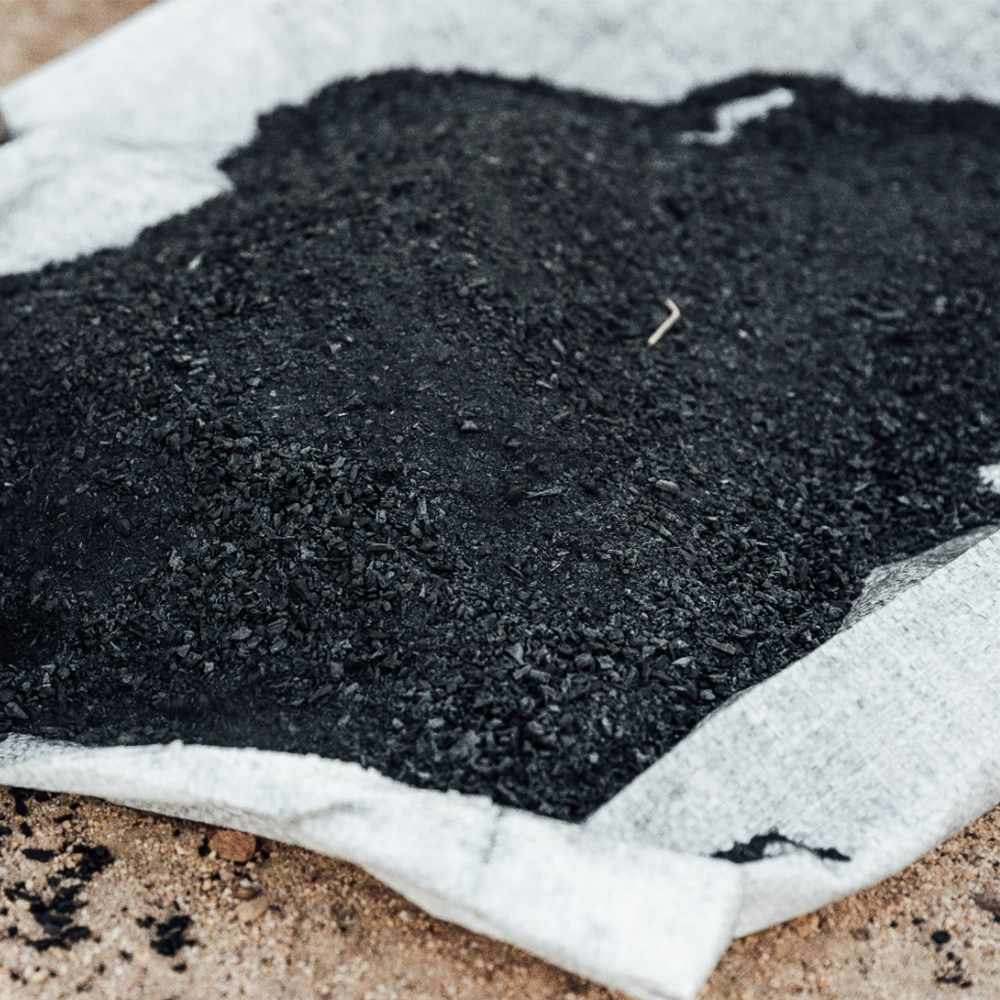
Peanut shell biochar
- ColorBlack
- ShapePowder
- CAS645365-11-3
- Place of OriginChina
- Medical standardsEU, USA, CN
In the peanut industry, large quantities of peanut shells are often considered waste. However, through advanced pyrolysis technology, this “agricultural waste” is undergoing a spectacular green transformation, becoming high-value peanut shell biochar. This black gold not only excels in agricultural soil improvement but also demonstrates enormous potential for environmental remediation and carbon neutrality.
What is peanut shell biochar?
Peanut shell biochar is a carbon-rich, porous solid material obtained by pyrolyzing peanut shells under oxygen-limited conditions (typically 400-700°C). This process not only avoids the environmental pollution caused by natural decay or incineration of peanut shells, but also transforms them into a structurally stable, highly functional strategic material, achieving a significant value leap from “agricultural waste” to “environmental resource.”
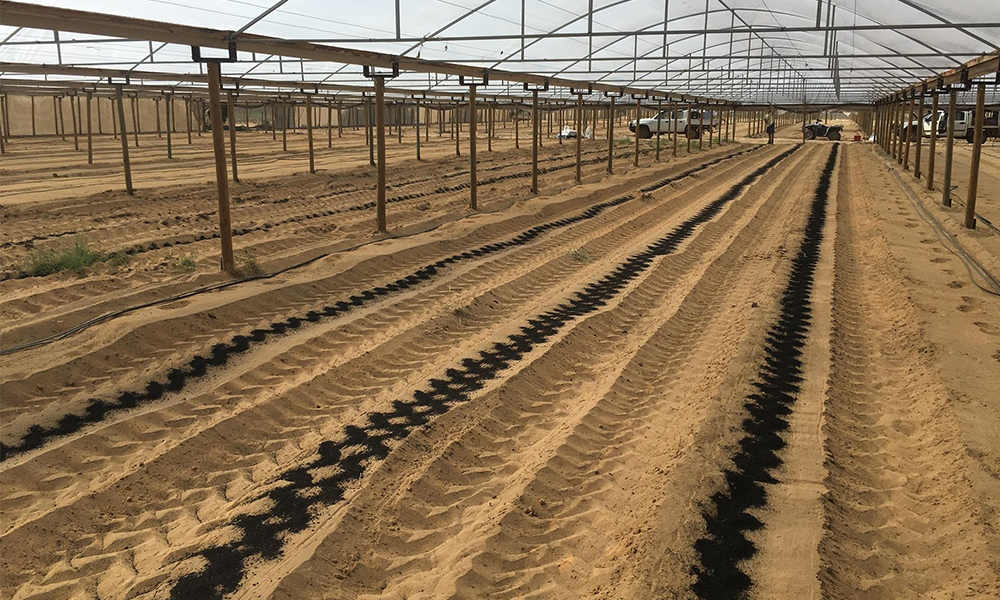
Four Core Advantages and Applications of Peanut Shell Biochar
- Excellent Soil Improvement and Fertility Enhancement
Enhanced Water and Fertilizer Retention: Peanut shell biochar has a naturally rich porous structure, effectively storing water and nutrients like a “soil sponge,” reducing fertilizer leaching, helping crops withstand drought, and significantly reducing water and fertilizer management costs.
Optimizing Soil Structure: Particularly suitable for loose sandy soils or compacted clay soils, it increases soil aggregates, improves air permeability, and promotes healthy root development.
Activating Beneficial Microorganisms: Its porous surface is the perfect home for soil microbial colonies, significantly enhancing soil microbial activity, accelerating nutrient cycling, and fostering a healthy soil ecosystem.
- Effective Carbon Sequestration and Carbon Neutrality Tool
Stable Carbon Storage: Biochar is chemically very stable, capable of locking carbon in the soil for hundreds or even thousands of years. Using peanut shells to produce biochar is a negative carbon emission technology that converts atmospheric carbon dioxide into a stable form through plant photosynthesis, making it a key path to achieving carbon neutrality in the agricultural sector.
- Excellent Environmental Adsorption and Remediation Performance
Deactivating Heavy Metals in Soil: Peanut shell biochar has strong adsorption and fixation capabilities for heavy metals such as cadmium, lead, and copper, effectively reducing the bioavailability of heavy metals in crops and ensuring agricultural product safety.
Water Purification: It can serve as a highly effective adsorbent for treating organic pollutants and impurities in water.
- A Model of the Circular Economy: Turning Waste into Treasure
Converting peanut processing byproducts into high-value-added biochar not only solves the problem of waste disposal but also creates a new value chain, perfectly aligning with the concept of green and circular agricultural development.
Why are peanut shells such a high-quality raw material for biochar production?
Compared to other raw materials, peanut shells offer unique advantages in biochar production:
High cellulose and lignin content: This results in a more developed and stable pore structure for the biochar formed after pyrolysis.
A Natural Nutrient Repository: Peanut shells contain mineral elements such as potassium, calcium, and magnesium. The biochar produced from peanut shells improves soil quality while slowly releasing these trace elements.
Widely available and low-cost raw materials: As a global agricultural byproduct, peanut shells offer a stable supply, are easily scalable, and are highly economically viable.
Key considerations for selecting high-quality peanut shell biochar
Pyrolysis process: Precisely controlled pyrolysis temperature is crucial for ensuring high porosity, stability, and an optimal pH value in the biochar.
Physicochemical properties: Key indicators such as specific surface area, pore distribution, pH, and cation exchange capacity (CEC) are important to ensure suitability for the target application.
Pollution-free sourcing: Ensure that the raw peanut shells are free of mold or chemical contamination, ensuring the safety and purity of the final product.
RECOMMENDED PRODUCTS
- View details
Cow dung biochar
Our Coal Based Activated Carbon offers a robust and cost-effective solution for a wide range of purification needs. Excellent for municipal water treatment, industrial air cleaning, and gold recovery. Available in granular and powder forms with cu…
- View details
Coal based activated carbon
Our Coal Based Activated Carbon offers a robust and cost-effective solution for a wide range of purification needs. Excellent for municipal water treatment, industrial air cleaning, and gold recovery. Available in granular and powder forms with cu…
- View details
Rice husk biochar
Our Coal Based Activated Carbon offers a robust and cost-effective solution for a wide range of purification needs. Excellent for municipal water treatment, industrial air cleaning, and gold recovery. Available in granular and powder forms with cu…
- View details
Carbon black masterbatch for building exterior wall materials HDPE/LDPE/LLDPE/PP/PA
Optimize your plastic compounds with the right Carbon Black Masterbatch. This technical overview helps you evaluate key parameters: carrier resin compatibility, carbon dispersion (jetness/L-value), loading ratio, and functional properties like con…
loading…
已经是到最后一篇内容了!