 chemical


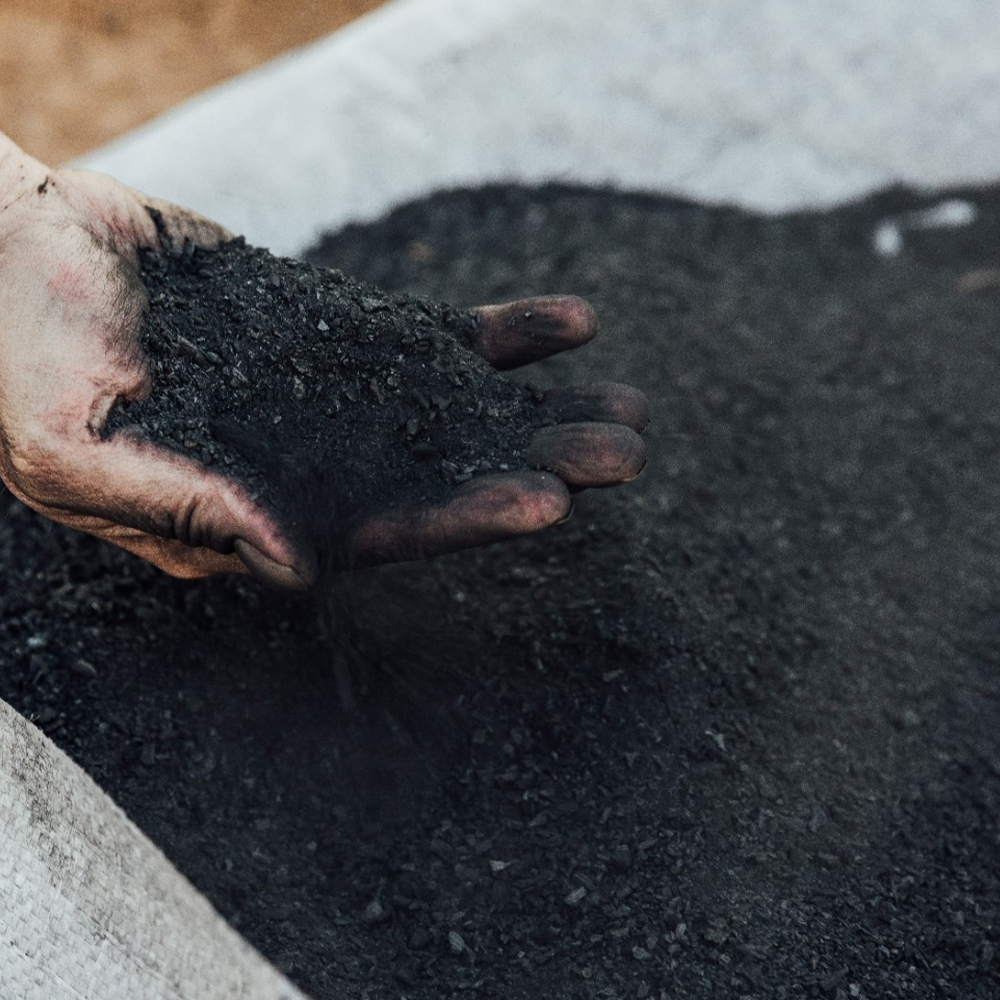
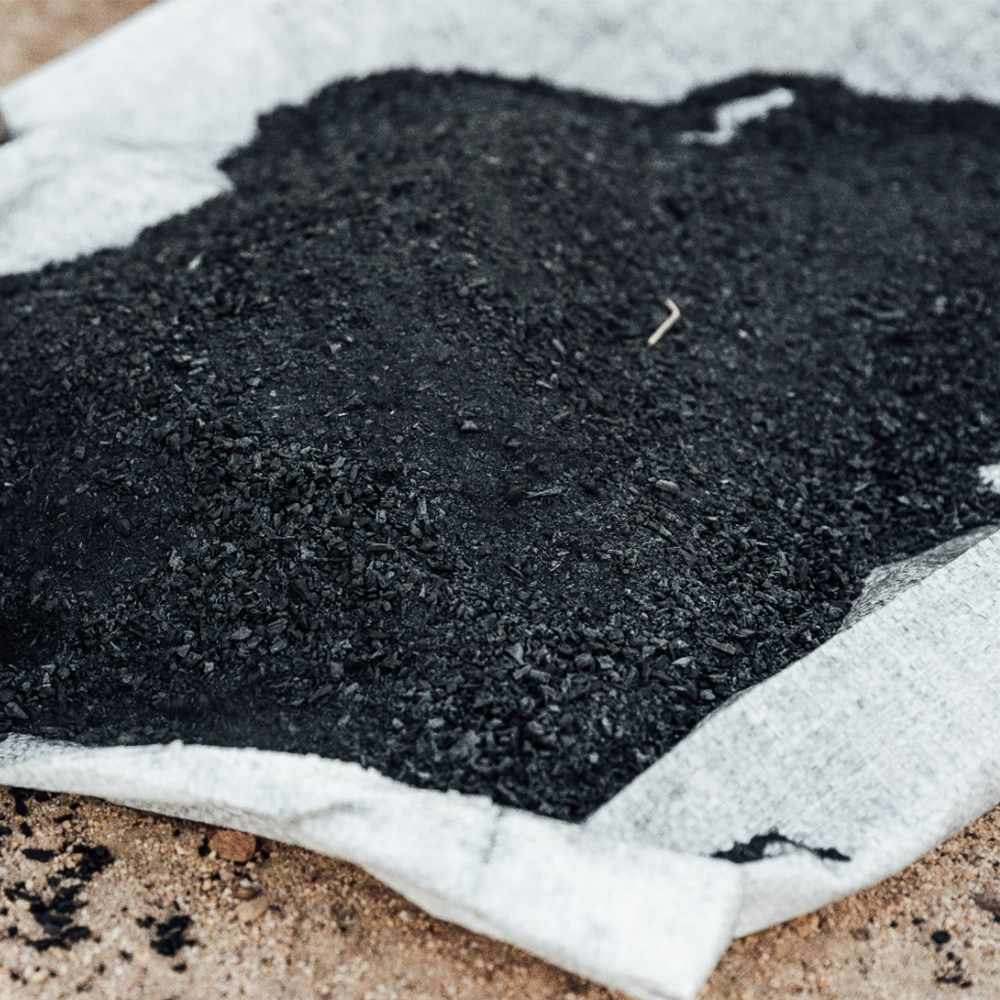
Sawdust biochar
- ColorBlack
- ShapePowder
- CAS645365-11-3
- Place of OriginChina
- Medical standardsEU, USA, CN
In the wood processing industry, sawdust was once a waste product requiring disposal; however, from a circular economy perspective, it is a valuable resource with enormous potential. Sawdust biochar—a carbon-rich material created by converting sawdust through advanced pyrolysis technology—is playing an increasingly important role in agriculture, environmental remediation, and carbon neutrality due to its exceptional performance.
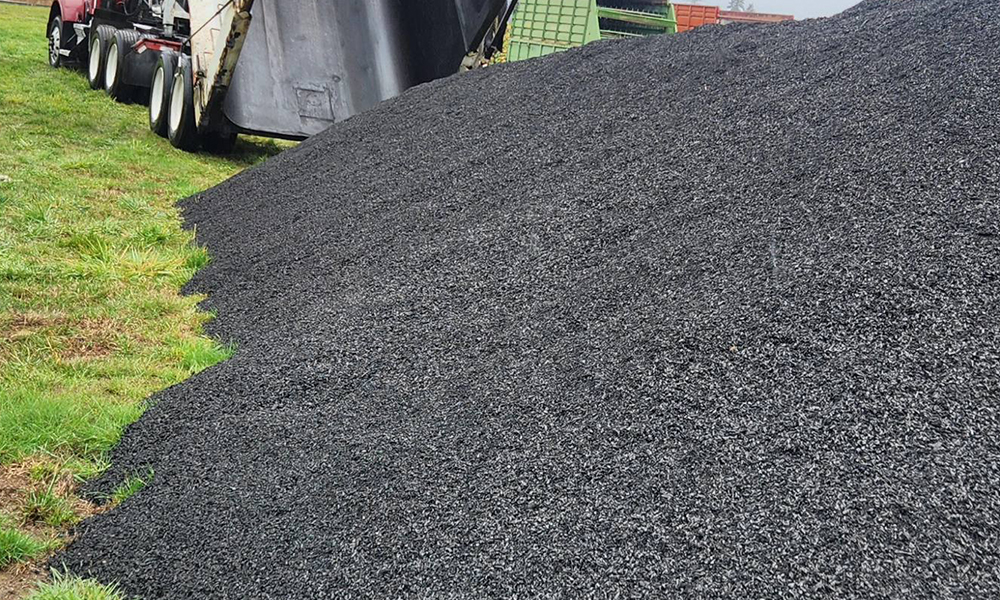
What is sawdust biochar?
Sawdust biochar is a stable, carbon-rich solid produced by pyrolyzing sawdust under oxygen-limited conditions (typically 400-700°C). This process not only avoids the carbon emissions associated with natural decomposition or incineration of wood waste, but also “locks” it in a stable form, creating a super-material with a unique honeycomb porous structure.
Four Core Advantages and Applications of Sawdust Biochar
- A “Superb Amendment” for Agriculture and Horticulture
Comprehensively Improves Soil Health: Sawdust biochar’s superior pore structure significantly improves soil water and nutrient retention, reduces nutrient loss, and reduces the frequency and cost of irrigation and fertilization.
Promoting Microbial Growth: Its porous surface provides an ideal habitat for beneficial soil microorganisms (such as bacteria and mycorrhizal fungi), helping to foster a thriving, healthy soil microecosystem.
Long-Term Soil pH Regulation: It effectively neutralizes acidic soils, creating an optimal growing environment for crops, thereby achieving sustainable yield and quality improvements.
- An Irreplaceable Carbon Sequestration Tool
Achieving Negative Carbon Emissions: Woodchip biochar is chemically extremely stable and can lock carbon in the soil for centuries. It is one of the Negative Emission Technologies (NETs) recognized by the Intergovernmental Panel on Climate Change (IPCC), providing a reliable path for businesses and countries to achieve carbon neutrality goals.
- Highly Efficient Environmental Remediation Material
Pollution Adsorption: Its large surface area and abundant surface functional groups enable it to efficiently adsorb and fix heavy metals (such as cadmium and arsenic) in soil and organic pollutants in water, making it a promising candidate for applications in mine remediation and water purification.
- A Model of the Circular Economy
Turning Waste into Treasure, Upgrading Value: Converting low-value sawdust from wood processing into high-value-added biochar completely solves the waste disposal challenge while creating new economic revenue, perfectly embodying the “resource-product-renewable resource” cycle.
Why are sawdust an ideal raw material for biochar production?
Compared to other raw materials, sawdust offers inherent advantages for biochar production:
Pure Source: Compared to other agricultural waste, sawdust typically contains fewer impurities, resulting in higher-purity biochar with minimal risk of contaminants such as heavy metals.
Structural Advantage: The wood fiber structure results in a more developed and uniform pore structure for the biochar formed after pyrolysis, enhancing adsorption and microbial habitats.
Consistency and Sustainability: The wood processing industry can provide a stable and continuous supply of raw materials, ensuring scalable biochar production and consistent quality.
Key Indicators for Selecting High-Quality Sawdust Biochar
Pyrolysis Temperature: Pyrolysis temperature directly affects the pH, specific surface area, and functional groups of the biochar. Different biochar applications (such as soil improvement and carbon sequestration) require different temperatures.
Physical properties: Focus on specific surface area, pore volume, and density, which determine its water and fertilizer retention and adsorption capacity.
Chemical properties: pH, cation exchange capacity (CEC), and ash content are important indicators for assessing its impact on soil.
Raw material source: Ensure that the wood chips are not contaminated by chemical treatments (such as preservatives and paints) to ensure the purity and safety of the biochar.
RECOMMENDED PRODUCTS
- View details
Cow dung biochar
Our Coal Based Activated Carbon offers a robust and cost-effective solution for a wide range of purification needs. Excellent for municipal water treatment, industrial air cleaning, and gold recovery. Available in granular and powder forms with cu…
- View details
Coal based activated carbon
Our Coal Based Activated Carbon offers a robust and cost-effective solution for a wide range of purification needs. Excellent for municipal water treatment, industrial air cleaning, and gold recovery. Available in granular and powder forms with cu…
- View details
Rice husk biochar
Our Coal Based Activated Carbon offers a robust and cost-effective solution for a wide range of purification needs. Excellent for municipal water treatment, industrial air cleaning, and gold recovery. Available in granular and powder forms with cu…
- View details
Peanut shell biochar
Our Coal Based Activated Carbon offers a robust and cost-effective solution for a wide range of purification needs. Excellent for municipal water treatment, industrial air cleaning, and gold recovery. Available in granular and powder forms with cu…
loading…
已经是到最后一篇内容了!