 chemical


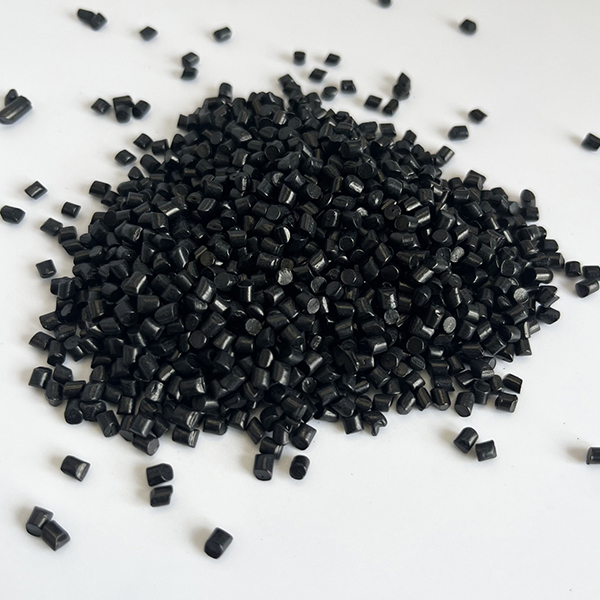
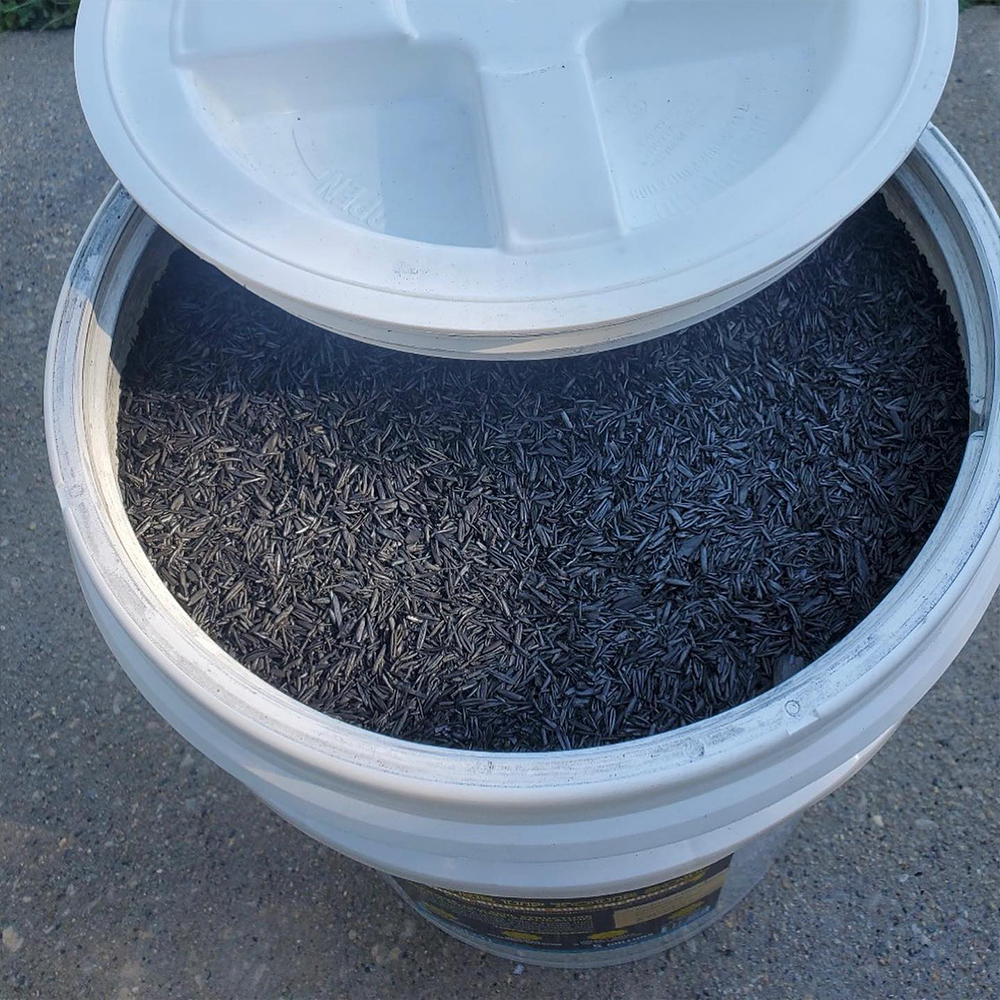
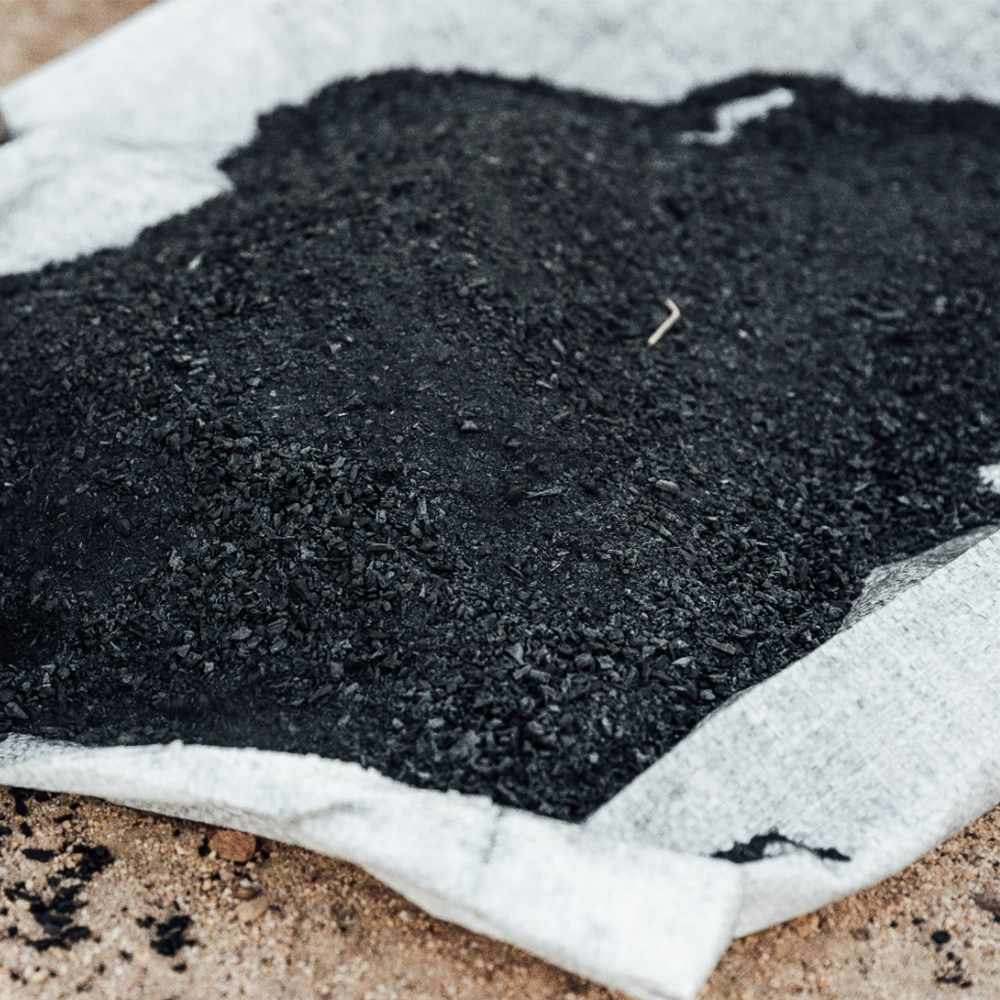
Carbon black masterbatch for electronic packaging materials HDPE/LDPE/LLDPE/PP/PA
- ColorBlack
- CAS1333-86-4
- Density~1.7 g/mL at 25 °C (lit.)
- Place of OriginChina
- Medical standardsEU, USA, CN
In the world of highly sophisticated electronics, packaging materials are more than just outer shells; they serve as the first line of defense for protecting the chips and circuits within. Carbon black masterbatch, a high-performance additive, is becoming crucial for manufacturing high-performance electronic packaging materials. By providing reliable ESD protection, superior EMI shielding, and enhanced mechanical strength, it ensures stable operation in challenging environments for a wide range of electronic devices, from smartphones to industrial servers.
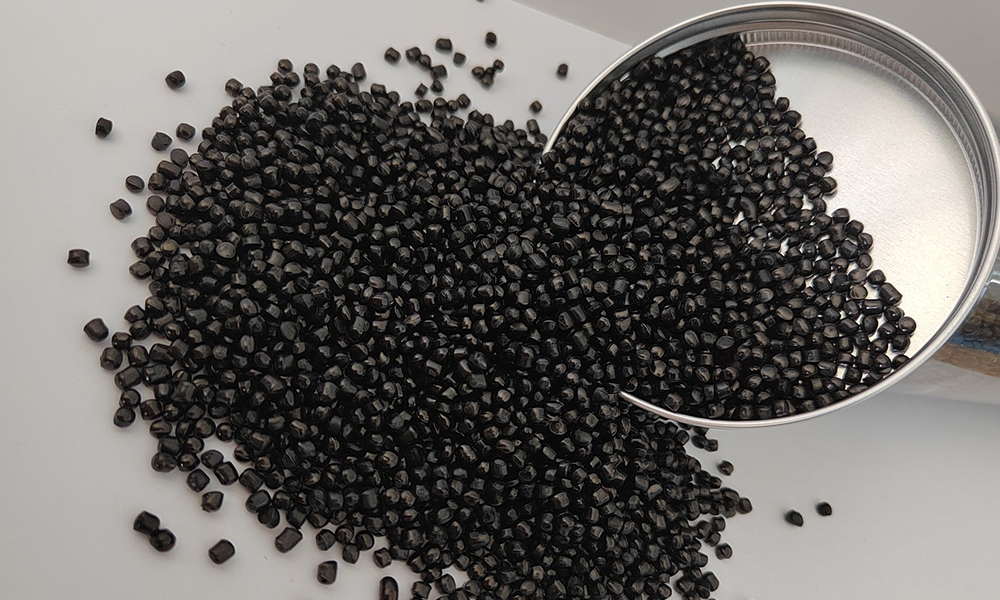
What is carbon black masterbatch? Why is it suitable for electronic packaging?
Carbon black masterbatch is a concentrated mixture of high-purity carbon black pigment uniformly dispersed in a polymer carrier (such as PC, ABS, and PPA). In the production of plastic components for electronic packaging, it serves as a multifunctional additive, not only achieving a permanent black coloration but also imparting critical conductivity and EMI shielding properties.
The Core Benefits of Carbon Black Masterbatch in Electronic Packaging Materials
Excellent Electrostatic Discharge (ESD) Protection
Key Function: Electronic components are extremely sensitive to static electricity. Carbon black masterbatch forms a conductive network within plastics, safely dissipating accumulated static charge. This prevents ESD events from damaging expensive chips and significantly improves product yield and reliability.
Applications: IC trays, chip test sockets, hard drive components, packaging films, etc.
Effective Electromagnetic Interference (EMI) Shielding
Key Function: With the widespread adoption of 5G and IoT devices, EMI is an increasingly serious problem. Carbon black masterbatch imparts conductivity to plastic casings, creating a Faraday cage effect that effectively shields against external EMI while preventing internal signal leakage, ensuring device compliance and stable operation.
Applications: Router casings, server chassis, smartphone midframes, and medical electronic device casings.
Excellent Ultraviolet (UV) Protection and Weather Resistance
Key Function: Carbon black is an excellent UV absorber. For electronic devices used outdoors or in strong sunlight, such as solar-powered surveillance cameras and automotive electronics, carbon black masterbatch effectively prevents aging, embrittlement, and fading caused by UV exposure, extending the product’s lifespan.
High-contrast, permanent black
Key function: Carbon black provides a deep, uniform, and fade-resistant black, which is crucial for consumer electronics requiring high-contrast markings (such as laser-engraved QR codes and brand logos) and aesthetically pleasing appearance.
Enhancing mechanical properties and thermal stability
Key function: The addition of carbon black can moderately improve the material’s rigidity, strength, and heat resistance, enabling packaged components to better withstand physical stress during assembly and transportation.
Application scenarios: Which electronic packaging materials are suitable?
IC tapes and trays: Prevent static electricity accumulation during transportation and storage.
Connectors and sockets: Provide ESD protection to ensure signal transmission integrity.
Device housings and structural components: For example, in smartphone midframes and server chassis, achieving both EMI shielding and aesthetics.
Internal components of hard disk drives (HDDs): Protect against fine dust absorption and static damage.
Industrial electronic control boxes: Protect against electromagnetic interference and physical shock in harsh industrial environments.
Key Considerations for Selecting Electronic-Grade Carbon Black Masterbatch
The technical requirements for selecting carbon black masterbatch for electronic packaging applications are significantly higher than for general applications:
High Purity and Low Impurities: Impurities such as metal ions must be extremely low to prevent contamination and corrosion of sensitive circuitry.
Stable Conductivity: Ensure surface or volume resistivity is within the target range (typically 10^3 – 10^6 Ω/sq) and maintain batch-to-batch consistency.
Excellent Dispersion: Uniform dispersion is essential for ensuring stable conductivity and avoiding mechanical weaknesses (stress concentration points).
Compatibility with Engineering Plastics: Excellent compatibility with high-end engineering plastics such as PC, ABS, PBT, and LCP must be achieved without compromising their inherent heat resistance and mechanical properties.
Processability: Excellent rheological properties ensure that complex molds can be filled and performance maintained during precision injection molding.
RECOMMENDED PRODUCTS
- View details
Cow dung biochar
Our Coal Based Activated Carbon offers a robust and cost-effective solution for a wide range of purification needs. Excellent for municipal water treatment, industrial air cleaning, and gold recovery. Available in granular and powder forms with cu…
- View details
Coal based activated carbon
Our Coal Based Activated Carbon offers a robust and cost-effective solution for a wide range of purification needs. Excellent for municipal water treatment, industrial air cleaning, and gold recovery. Available in granular and powder forms with cu…
- View details
Rice husk biochar
Our Coal Based Activated Carbon offers a robust and cost-effective solution for a wide range of purification needs. Excellent for municipal water treatment, industrial air cleaning, and gold recovery. Available in granular and powder forms with cu…
- View details
Peanut shell biochar
Our Coal Based Activated Carbon offers a robust and cost-effective solution for a wide range of purification needs. Excellent for municipal water treatment, industrial air cleaning, and gold recovery. Available in granular and powder forms with cu…
loading…
已经是到最后一篇内容了!