 chemical


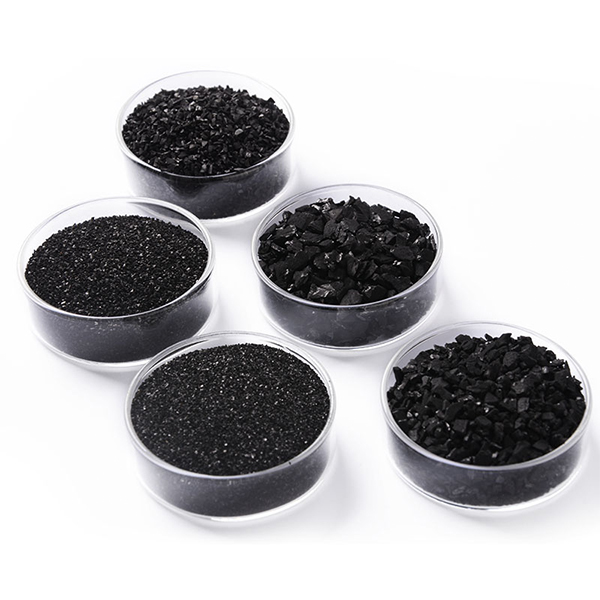
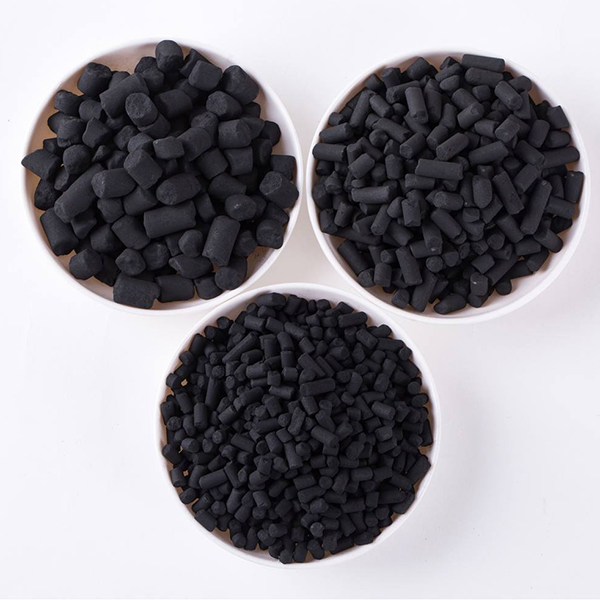
Granular activated carbon
- ColorBlack
- CAS645365-11-3
- ShapeParticles
- Place of OriginChina
- Medical standardsEU, USA, CN
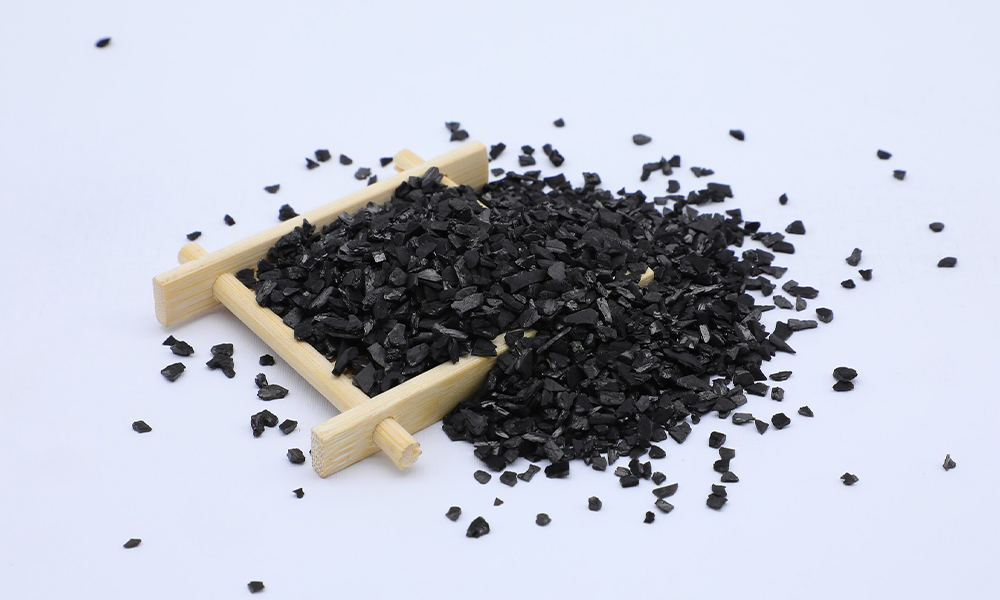
Granular Activated Carbon is a porous form of carbon processed to have a massive internal surface area and small, low-volume pores. Unlike powdered activated carbon (PAC), GAC consists of larger particles, typically ranging from 0.2 to 5 millimeters in size. This granular form makes it ideal for use in fixed-bed filters, where water or air flows through a column filled with GAC.
It is produced from high-carbon raw materials like coconut shells, coal, or wood, through a process of high-temperature activation. This “activation” creates a vast network of micropores, turning the material into a powerful “molecular sponge.”
How Does Granular Activated Carbon Work? The Science of Adsorption
The magic of GAC lies in a process called adsorption (not to be confused with absorption).
- Absorption is like a sponge soaking up water—the substance is taken in throughout the volume.
- Adsorption is like a magnet attracting iron filings—contaminants are trapped on the vast internal surface of the carbon particles.
This enormous surface area (one pound of GAC can have a surface area of 100-150 acres!) allows GAC to effectively capture and hold a wide range of impurities through Van der Waals forces and other chemical interactions.
Key Applications of Granular Activated Carbon
1. Water Treatment and Purification
This is the most common use for GAC. It is exceptionally effective at removing:
- Chlorine and Chloramines: Eliminating unpleasant taste and odor.
- Volatile Organic Compounds (VOCs): Such as pesticides, herbicides, and industrial solvents.
- Organic Compounds: Improving water clarity and color.
- Certain Heavy Metals: Like lead and mercury (often dependent on pH and other factors).
Common Uses: Drinking water filters, under-sink systems, whole-house filtration, wastewater treatment, and aquarium filters.
2. Air and Gas Purification
GAC is crucial for capturing gaseous pollutants from the air.
- Odor Removal: Effectively neutralizes smells from chemicals, smoke, food, and pets.
- Toxin Capture: Used in industrial settings to remove harmful gases and vapors.
- Personal Protection: A key component in military and industrial gas masks.
3. Food and Beverage Industry
GAC is used for decolorization, deodorization, and purification of various food products like:
- Sweeteners (corn syrup)
- Alcoholic beverages
- Edible oils
- Citric acid
4. Other Industrial Applications
- Gold Recovery: Used in the extraction of gold from cyanide solutions.
- Solvent Recovery: Capturing and recycling industrial solvents.
- Automotive: In fuel vapor recovery systems.
RECOMMENDED PRODUCTS
- View details
Cow dung biochar
Our Coal Based Activated Carbon offers a robust and cost-effective solution for a wide range of purification needs. Excellent for municipal water treatment, industrial air cleaning, and gold recovery. Available in granular and powder forms with cu…
- View details
Coal based activated carbon
Our Coal Based Activated Carbon offers a robust and cost-effective solution for a wide range of purification needs. Excellent for municipal water treatment, industrial air cleaning, and gold recovery. Available in granular and powder forms with cu…
- View details
Rice husk biochar
Our Coal Based Activated Carbon offers a robust and cost-effective solution for a wide range of purification needs. Excellent for municipal water treatment, industrial air cleaning, and gold recovery. Available in granular and powder forms with cu…
- View details
Peanut shell biochar
Our Coal Based Activated Carbon offers a robust and cost-effective solution for a wide range of purification needs. Excellent for municipal water treatment, industrial air cleaning, and gold recovery. Available in granular and powder forms with cu…
loading…
已经是到最后一篇内容了!