 chemical


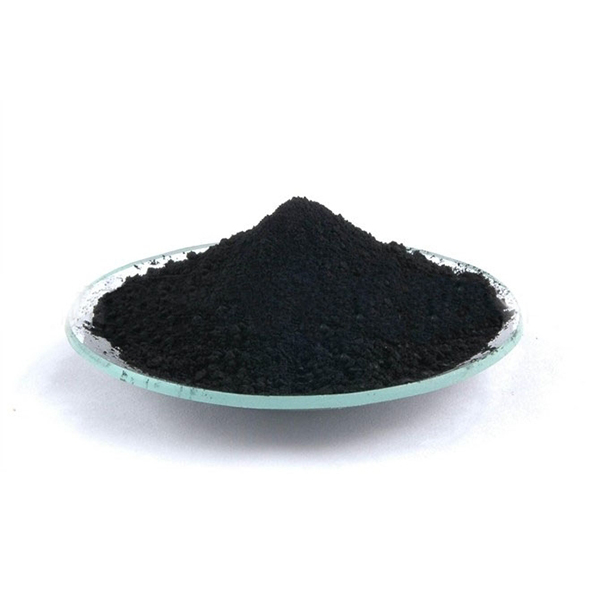
Conductive carbon black
- ColorBlack
- CAS1333-86-4
- Density~1.7 g/mL at 25 °C (lit.)
- Place of OriginChina
- Medical standardsEU, USA, CN
Conductive carbon black is a unique form of carbon black characterized by its ability to form a continuous conductive network within a non-conductive matrix, such as plastics, polymers, or coatings. Unlike its pigment-grade counterpart, conductivity is its primary function, with color being a secondary characteristic.
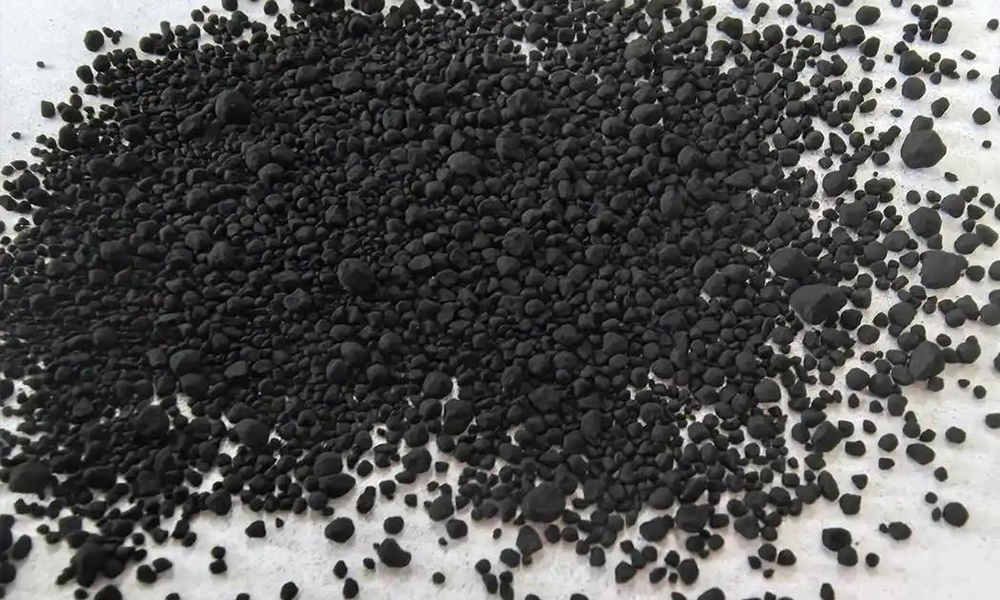
How Does Conductive Carbon Black Work?
The conductivity mechanism is often described as the “electron pathway theory.”
- High Structure: Conductive carbon black has a “high structure,” meaning its primary particles fuse into complex, branched aggregates.
- Network Formation: When dispersed into an insulating material (like plastic), these branched aggregates physically contact each other, creating a vast, web-like network throughout the product.
- Electron Flow: This interconnected network provides a pathway for electrons to flow, effectively turning the entire composite material from an insulator into a semiconductor or conductor.
Key Properties and Advantages of Conductive Carbon Black
- Low Volume Resistivity: This is the primary measure of its effectiveness, allowing it to achieve conductivity at low loading levels.
- High Purity: Minimal ash and impurity content ensure consistent and reliable electrical performance.
- Excellent Dispersibility: Designed to be evenly distributed within various polymer systems to form a uniform conductive network.
- Reinforcement: Like other carbon blacks, it can also improve the mechanical strength and durability of the host material.
Major Applications of Conductive Carbon Black
The applications for conductive carbon black are diverse and critical across multiple high-tech industries:
- Polymer & Plastics Compounding:
- Antistatic Products: Used in floor tiles, conveyor belts, and workspace accessories to prevent sparking and dust accumulation in sensitive environments (e.g., electronics manufacturing, operating rooms).
- Conductive Plastics: For manufacturing shields against Electromagnetic Interference (EMI) and Radio Frequency Interference (RFI) in electronic device housings.
- Batteries (Especially Lithium-Ion):
- Serves as a conductive additive in both the cathode and anode. It is mixed with the active material (like Lithium Iron Phosphate or Graphite) to create a conductive framework that facilitates electron flow, drastically improving charge/discharge rates and overall battery efficiency.
- Coatings and Inks:
- Used to create antistatic coatings for photographic films, electronic packaging, and display surfaces.
- Formulates conductive inks for printed electronics, such as flexible circuits and RFID antennas.
- Specialty Rubber Products:
- Used in hoses and belts for fuel handling to dissipate static charge and prevent ignition hazards.
How to Choose the Right Conductive Carbon Black
Selecting the correct grade is crucial for performance and cost-effectiveness. Consider these factors:
- Required Conductivity Level: Define the target surface or volume resistivity for your application.
- Polymer System: Different plastics (PE, PP, PVC, Nylon) may require different carbon black grades for optimal dispersion and performance.
- Loading Level: Higher loading typically increases conductivity but can negatively impact the mechanical properties and cost of the final product. The goal is to find the optimal balance.
- Processing Method: Consider how the material will be processed (e.g., extrusion, injection molding) as it affects dispersion.
Conductive Carbon Black vs. Other Conductive Fillers
While carbon black is a popular choice, it’s not the only one. Here’s a quick comparison:
- Carbon Fibers: Offer higher conductivity and mechanical strength but are more expensive and can be more difficult to process.
- Metal Fibers/Powders: Provide excellent conductivity but are heavy, expensive, and susceptible to corrosion.
- Conductive Carbon Black often wins due to its optimal balance of performance, processability, and cost.
Frequently Asked Questions (FAQ)
Q1: Is conductive carbon black the same as the carbon black in tires?
No. While both are carbon-based, tire carbon black is primarily used for reinforcement and UV protection. Conductive carbon black has a specific high-structure morphology designed explicitly for electrical conductivity.
Q2: How much conductive carbon black do I need to add to my plastic?
The required loading, known as the “percolation threshold,” varies by polymer and carbon black grade but typically ranges from 5% to 20% by weight. A technical datasheet from your supplier is the best resource.
Q3: Can conductive carbon black be used for coloring?
While it will produce a black color, it is not cost-effective for use solely as a pigment. Standard color-grade carbon blacks are much more economical for that purpose.
RECOMMENDED PRODUCTS
- View details
Cow dung biochar
Our Coal Based Activated Carbon offers a robust and cost-effective solution for a wide range of purification needs. Excellent for municipal water treatment, industrial air cleaning, and gold recovery. Available in granular and powder forms with cu…
- View details
Coal based activated carbon
Our Coal Based Activated Carbon offers a robust and cost-effective solution for a wide range of purification needs. Excellent for municipal water treatment, industrial air cleaning, and gold recovery. Available in granular and powder forms with cu…
- View details
Rice husk biochar
Our Coal Based Activated Carbon offers a robust and cost-effective solution for a wide range of purification needs. Excellent for municipal water treatment, industrial air cleaning, and gold recovery. Available in granular and powder forms with cu…
- View details
Peanut shell biochar
Our Coal Based Activated Carbon offers a robust and cost-effective solution for a wide range of purification needs. Excellent for municipal water treatment, industrial air cleaning, and gold recovery. Available in granular and powder forms with cu…
loading…
已经是到最后一篇内容了!