 chemical


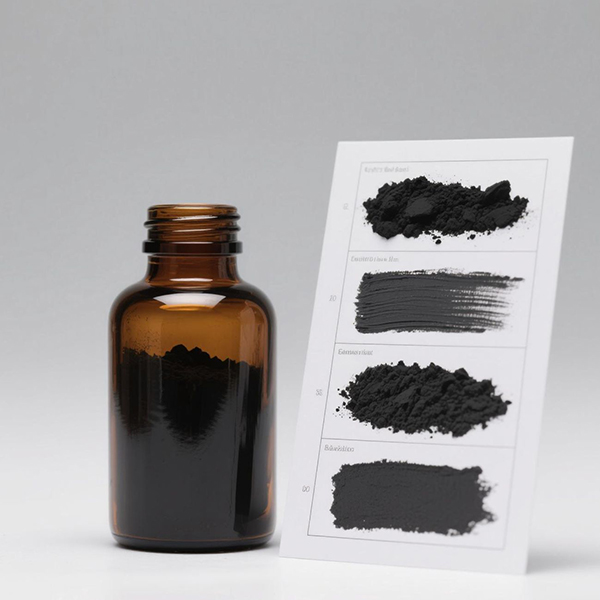
Carbon black pigment
- ColorBlack
- CAS1333-86-4
- Density~1.7 g/mL at 25 °C (lit.)
- Place of OriginChina
- Medical standardsEU, USA, CN
Carbon black pigment is a finely divided carbon particle produced through the incomplete combustion or thermal decomposition of hydrocarbons (such as petroleum or natural gas). It is not ordinary soot, but rather a highly pure carbon with a specific particle size, structure, and surface chemistry, resulting from a carefully controlled production process.
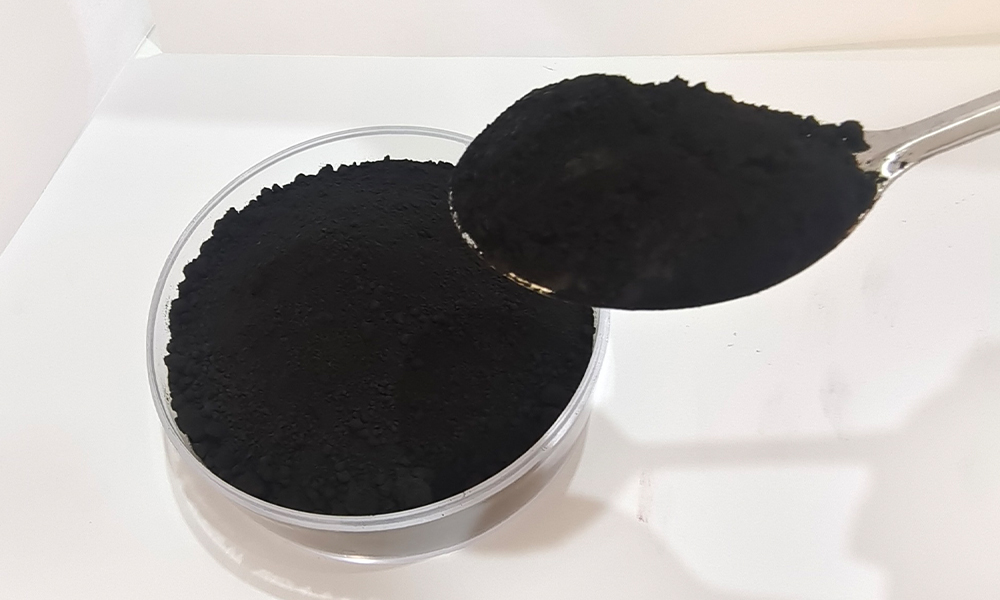
Its core component is elemental carbon, typically comprising over 95% of its total mass, which is the fundamental reason for its deep black color.
Key Properties and Benefits of Carbon Black Pigments
Carbon black is a leading choice across numerous industries due to its exceptional properties:
Unparalleled Jet Blackness and Tinting Strength
Carbon black has a high light absorption capacity, effectively masking all other colors, providing the strongest black color and tinting strength. Even minimal amounts of carbon black can achieve a deep black effect.
Excellent UV Protection
Carbon black absorbs UV rays and converts them into harmless heat, effectively protecting polymers (such as plastics and rubber) from UV degradation and extending product life.
Excellent Conductivity
The structural properties of carbon black particles enable them to form a conductive network. This property makes it widely used in antistatic products, conductive plastics, and battery electrodes.
High Stability and Durability
Carbon black has extremely high resistance to heat, chemicals, and weathering. It is insoluble in all common solvents and can maintain its color and performance even in harsh environments.
Main Applications of Carbon Black Pigments
Carbon black pigments are used in nearly every aspect of modern industry:
Plastics Industry: Used to color plastics such as PE, PP, and PVC while also providing UV protection. They are widely used in automotive parts, pipes, packaging films, and electronic device casings.
Inks & Coatings: It is the most important black pigment in newsprint and book printing (inks), as well as industrial coatings and automotive topcoats (paints), providing high jetness, a blue undertone, and good rheological properties.
Rubber Industry: This is the largest application area for carbon black, particularly in tire manufacturing. Carbon black not only dyes tires black but, more importantly, significantly enhances rubber’s abrasion resistance, tensile strength, and aging resistance.
Other Specialty Applications: These include cosmetics (mascara, eyeliner), conductive agents for lithium batteries, and masterbatches for EVA foam.
How to Choose the Right Carbon Black Pigment?
Not all carbon blacks are created equal. Choosing the right carbon black depends on your specific application and needs, primarily considering the following three parameters:
Particle Size: Smaller particles yield higher jetness and tinting strength, but also greater dispersion difficulty.
Structure: This refers to the degree to which carbon black particles aggregate into chains. High-structure carbon blacks offer better conductivity and dispersibility, but can affect flow in inks.
Surface Chemistry: Surface oxygen functional groups affect carbon black wettability and dispersion stability in various systems.
Simple Guide:
For high jetness and UV protection: Choose a small particle size, high-pigment carbon black.
For conductive products: Choose a high-structure carbon black.
For general-purpose coloring: Carbon blacks with medium particle size and structure generally offer the best value.
Frequently Asked Questions (FAQs)
Q1: Are carbon black pigments and Chinese ink the same thing?
Yes, the primary coloring ingredient in traditional Chinese ink and Chinese ink is carbon black, typically made from pine soot or lampblack, a traditional form of carbon black.
Q2: Is carbon black environmentally friendly?
Modern carbon black production technology is strictly controlled and focused on reducing emissions. Carbon black itself is chemically stable and non-toxic. Many manufacturers also offer carbon black products that meet environmental standards. Choosing a responsible supplier is crucial.
Q3: Is carbon black safe for use in food contact materials?
Yes, there are specific grades of carbon black specifically for use in food contact materials (such as food packaging) that meet FDA and other international food safety standards.
RECOMMENDED PRODUCTS
- View details
Cow dung biochar
Our Coal Based Activated Carbon offers a robust and cost-effective solution for a wide range of purification needs. Excellent for municipal water treatment, industrial air cleaning, and gold recovery. Available in granular and powder forms with cu…
- View details
Coal based activated carbon
Our Coal Based Activated Carbon offers a robust and cost-effective solution for a wide range of purification needs. Excellent for municipal water treatment, industrial air cleaning, and gold recovery. Available in granular and powder forms with cu…
- View details
Rice husk biochar
Our Coal Based Activated Carbon offers a robust and cost-effective solution for a wide range of purification needs. Excellent for municipal water treatment, industrial air cleaning, and gold recovery. Available in granular and powder forms with cu…
- View details
Peanut shell biochar
Our Coal Based Activated Carbon offers a robust and cost-effective solution for a wide range of purification needs. Excellent for municipal water treatment, industrial air cleaning, and gold recovery. Available in granular and powder forms with cu…
loading…
已经是到最后一篇内容了!